
Move scrap metal off a DFW job before the next trade stacks on it
Hail-season roofing scrap in Mesquite, copper cutoffs in Frisco, racking in Grand Prairie. Send a photo. A partner yard writes the ticket.
Live metal spot prices
Local prices vary by yard. Send a photo for a quote. The figures above are live market spot prices from gold-api, for reference only — not a local scale ticket.
Sorting is necessary
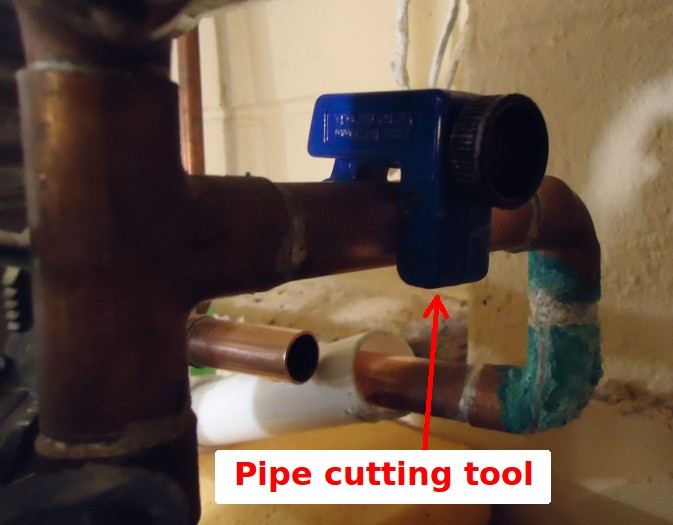
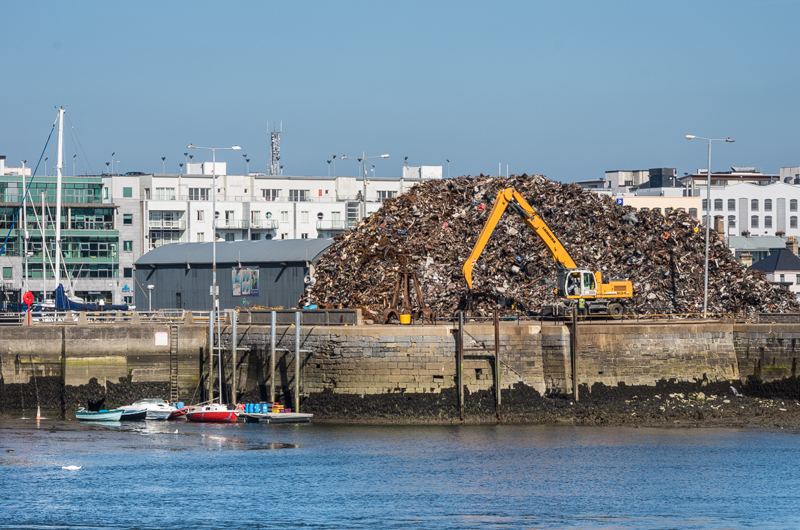
North Texas crews work through summer, so mixed dumpsters get baked into one pile fast. Pull bare copper and brass out before the steel goes on top or the grade is whatever the yard can see at the bottom.
What usually pays
How it works
Send us a message
We cover Dallas, Fort Worth, and the suburbs listed below. There is no published street address — say the city and whether a truck can get in.
What the Metroplex actually puts on a scale
Two downtowns and a ring of different decades
Dallas–Fort Worth is not one housing stock. East of Central, Garland and Mesquite still open up 1960s and 1970s ranches with copper supply lines and cast tubs. North, Frisco and McKinney are young enough that the metal is mostly builder cutoffs and HVAC line sets from houses that received a certificate of occupancy this year.
Between them, Irving’s Las Colinas towers and the warehouse rows of Grand Prairie throw commercial steel, cable, and racking when a tenant leaves. Fort Worth’s older neighborhoods west of I-35W add another pattern: pier-and-beam houses and small shops along the stockyards side of town. Put the city in the form. A partner cannot price “DFW” as if it were one pile.
Hail, heat, and a building season that does not stop
The Metroplex does not shut scrap down for winter. Roofers run after every hail core from Mesquite through Arlington, and that scrap is aluminum drip edge, old satellite gear, and the occasional copper flashing — light metal, high volume, easy to contaminate with shingles. Summer heat is why people finally drag a dead truck out of a side yard: the battery is cooked and the interior is a greenhouse.
New-home streets in Collin and Denton counties produce scrap twelve months a year. The constraint is access, not weather. A locked model-home gate or a muddy clay pad after a spring storm will stop a rollback even when the copper is clean.
Airport, plants, and the cars in between
Support shops around DFW Airport and the industrial patches in Irving, Carrollton, and Grand Prairie generate a steady mix of aluminum, steel drums, and light plant scrap. It is not a smelter load, and it should not be described as one. Photos of labels and of anything that held chemicals save everyone a refused ticket.
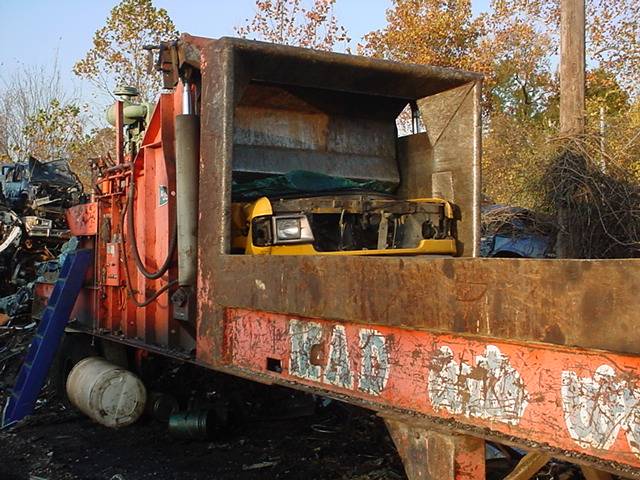
Junk cars are their own lane. A hail-totaled sedan in Plano and a farm truck outside Denton both need a title conversation and a note about whether they roll. We do not post a per-ton price. The yard’s scale that day is the number.
Questions people ask
Are the spot prices your DFW yard prices?
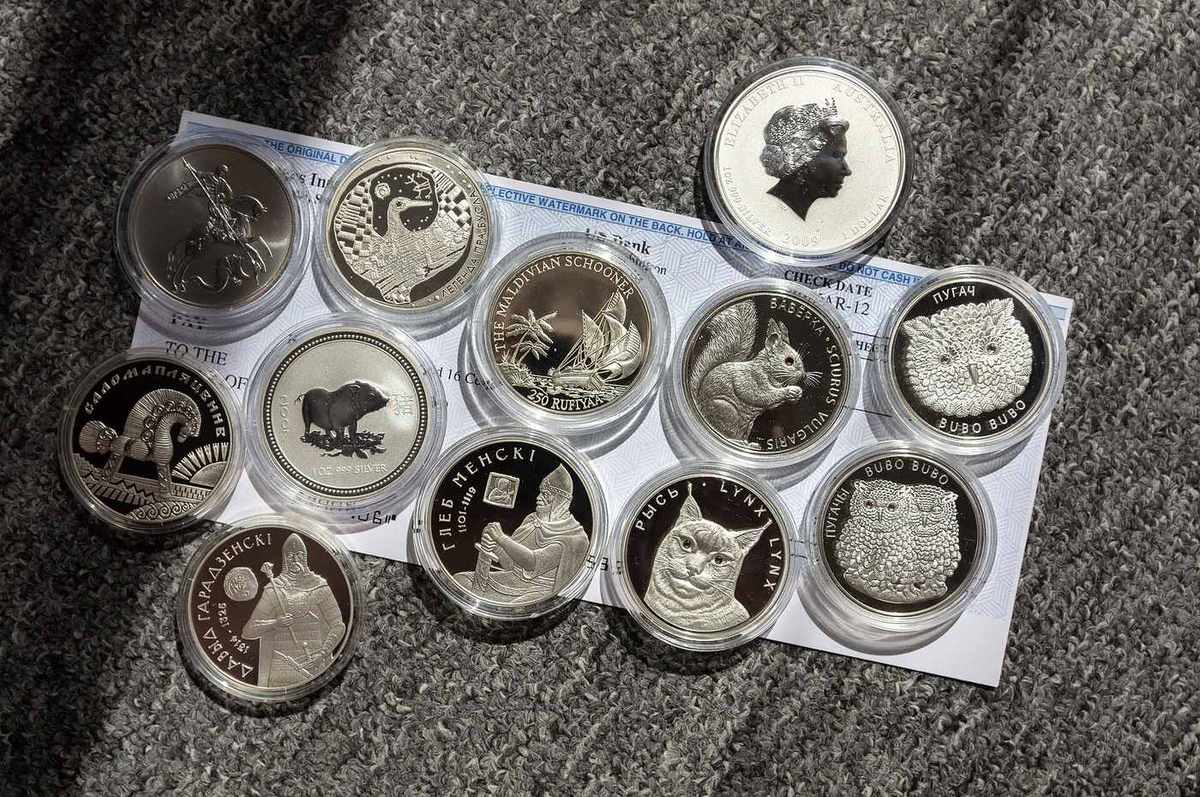
No. Gold, silver, platinum, palladium, and COMEX copper on this page are live market references. Local prices vary by yard. Send a photo for a quote.
Can you take a load from both Dallas and Fort Worth?
Yes. Name the city. Arlington, Plano, and the other towns below each have their own page because the metal is different.
What ID does a yard want?
A valid government-issued photo ID. Texas yards check it before they pay.
Towns around Dallas–Fort Worth
A Frisco spec house and a Garland factory block are not the same load. Use the town page that matches the pile.